
New Resolutions on Inclusivity, the Israeli-Palestinian Peace Process and the European Federal Parliament
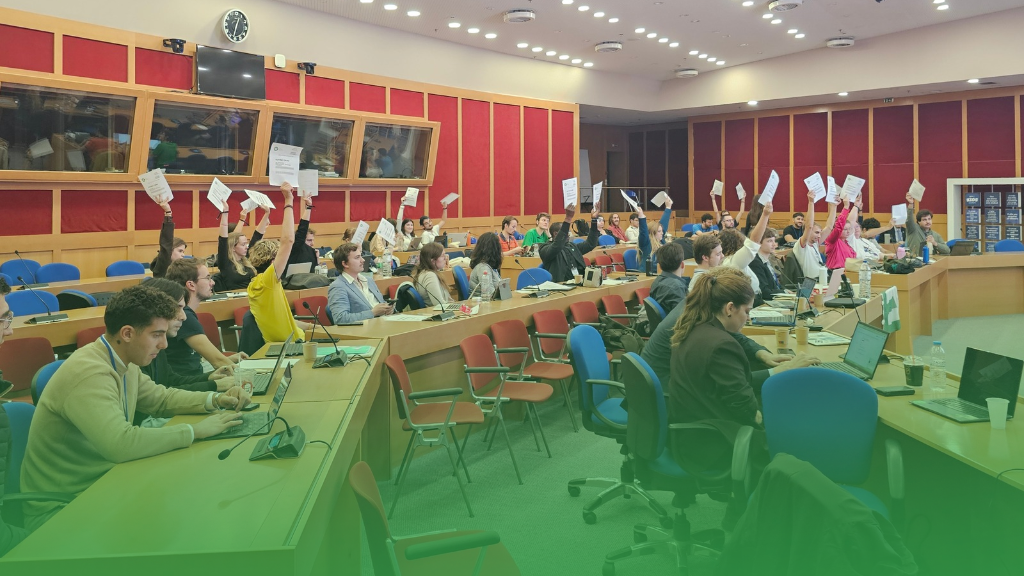
JEF Europe held its Federal Committee meeting from 30 October to 1st November in Athens. The Political Commissions and Task Forces had prepared and amended several resolutions that were debated and finally voted on by the delegates. You can find the political resolutions here:
Regarding the European Federal Parliament
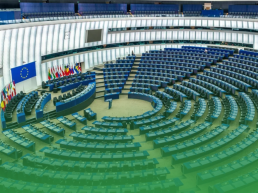
The resolution calls for transforming the EU into a federal parliamentary democracy with a bicameral legislature representing both European citizens and member states. It proposes strengthening the European Parliament through legislative initiative, introducing transnational electoral lists, and transforming the Council into a European Senate with equal representation for each member state. Both chambers would decide by majority voting, replacing national vetoes, while ensuring democratic accountability, subsidiarity, and opposition rights.
An Accelerated Transition to the Circular Economy
The resolution calls for an accelerated, socially just transition to a circular European economy that reduces waste, resource consumption, emissions, and dependence on imported raw materials. It advocates EU-wide tax reforms, stronger recycling and waste reduction targets, cross-border refund schemes, and greater investment in circular infrastructure. It also promotes the right to repair, digital product passports, sustainable construction, and harmonised waste management, while ensuring a fair transition for workers and communities. The resolution further calls for binding circularity targets, stronger monitoring, and dedicated EU funding through new own resources and the European Competitiveness Fund.


For a more inclusive Europe
The resolution calls for a more inclusive and equal Europe by strengthening anti-discrimination legislation, protecting fundamental rights, and ensuring meaningful participation of marginalised communities in political and social life. It advocates stronger equality bodies, improved representation in EU institutions, and action against racism, hate speech, gender-based violence, and discrimination. Key demands include gender equality, reproductive rights, LGBTIQ+ rights, accessible education and healthcare, and stronger protections for people with disabilities, ethnic minorities, indigenous communities, and speakers of regional languages. It emphasises the importance of education, civil society, and an intersectional approach to achieving lasting social change.
Regarding the Future of the Israeli-Palestinian Peace Process
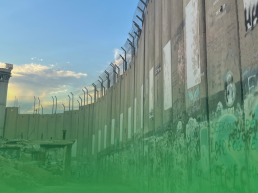
The resolution calls for an immediate and permanent ceasefire in Israel and Palestine, the release of all hostages, unrestricted humanitarian assistance, and accountability for violations of international law. It condemns attacks against civilians, terrorism, illegal settlements, and discrimination while advocating for the protection of human rights and the reconstruction of Gaza. It urges the EU to take a stronger diplomatic role in establishing a sustainable peace process based on mutual recognition, security, and self-determination. Emphasising a federalist approach to conflict resolution, it supports exploring innovative solutions, including an Israeli–Palestinian federation or binational confederation, alongside youth-led dialogue, reconciliation, and peacebuilding initiatives.
Building Democratic International Institutions Towards a World Federation
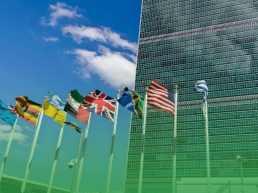
The resolution calls for the establishment of a democratic world federation based on peace, human rights, subsidiarity, and global solidarity. It advocates reforming international institutions, particularly the United Nations, by abolishing the Security Council veto and permanent membership system, establishing a UN Parliamentary Assembly, and introducing independent UN funding. It also demands stronger international justice through universal jurisdiction for the International Criminal Court and expanded powers for the International Court of Justice. Emphasising multilateral cooperation, it promotes fair trade, environmental protection, social justice, and democratic accountability, while urging the EU to lead efforts towards a more representative and equitable global governance system.