
Federalism in Europe and the World: The International Ventotene Seminar 2026
From 30 August to 4 September 2026, young federalists from across Europe and beyond gathered on the island of Ventotene for the 42nd International Ventotene Seminar, organised jointly by the Altiero Spinelli Institute and JEF Europe. Under the title “Federalism in Europe and the World – Toward the United States of Europe for a New International Order”, the seminar combined political education, debate, working groups, campaigning and a social programme.
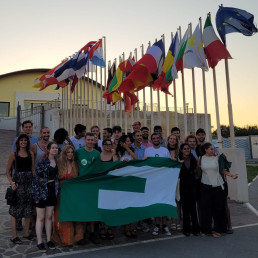
Opening Ceremony
The international seminar opened on 30 August with official greetings from European politicians: Former EU High Representative and Vice-President of the Commission Josep Borrell addressed the participants and highlighted that the EU must be able to reform itself to confront the imperial tendencies on the world stage. Also Andrea Wechsler MEP (EPP), President of Europa-Union Deutschland, Raquel García Hermida-van der Walle MEP (Renew), President of the Spinelli Group, and Anna Strolenberg MEP (Volt), board member of the Spinelli Group Board, gave welcoming words. They urged the participants to become active politically and leave our comfortable societal bubbles.
Increasing geopolitical confrontations, challenges to the rules-based international order, and democratic backsliding were introduced as common challenges which were then explored further in the seminar programme. Broadly, the seminar focussed on introducing federalism not merely as an institutional model, but as a political response to these interconnected crises.
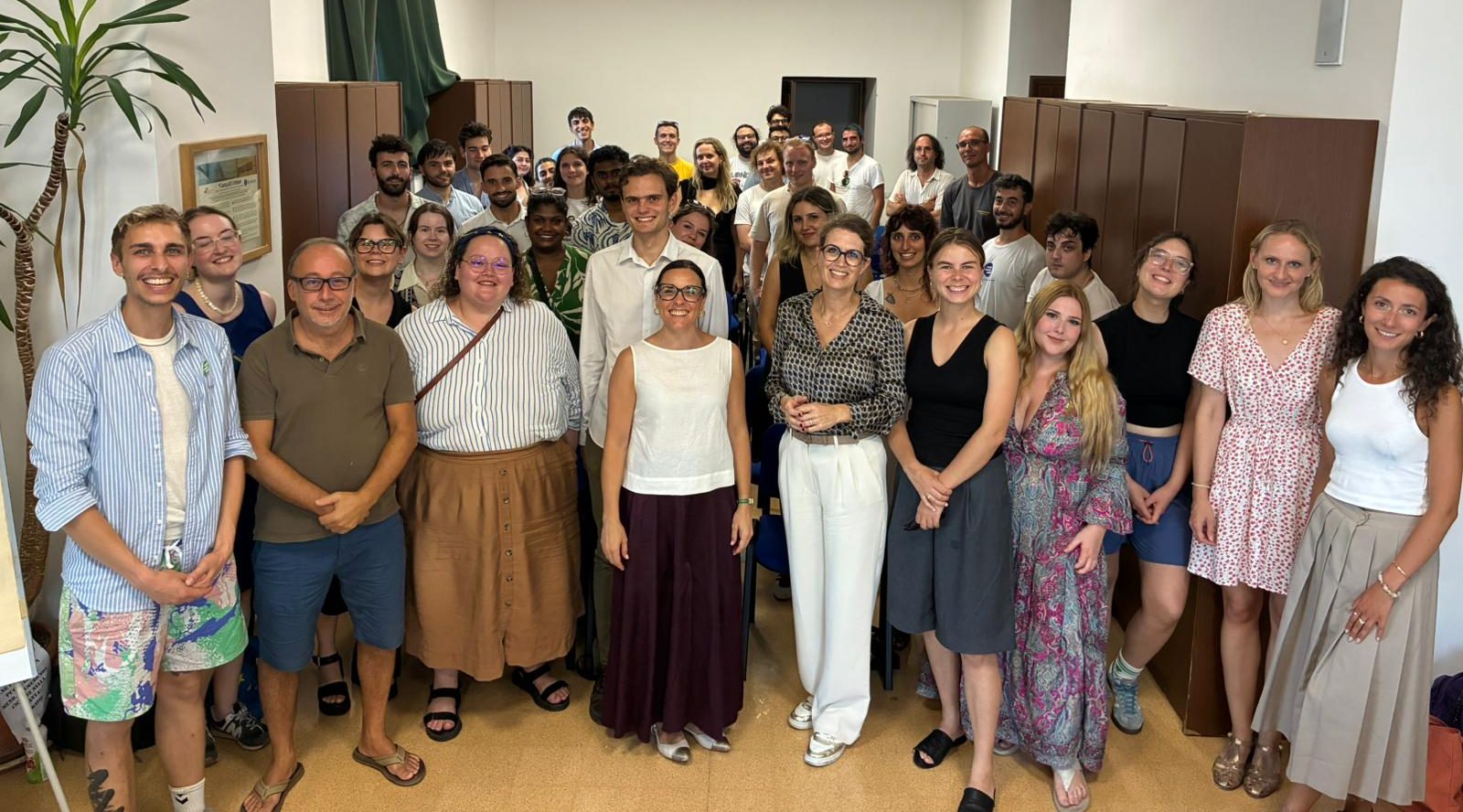
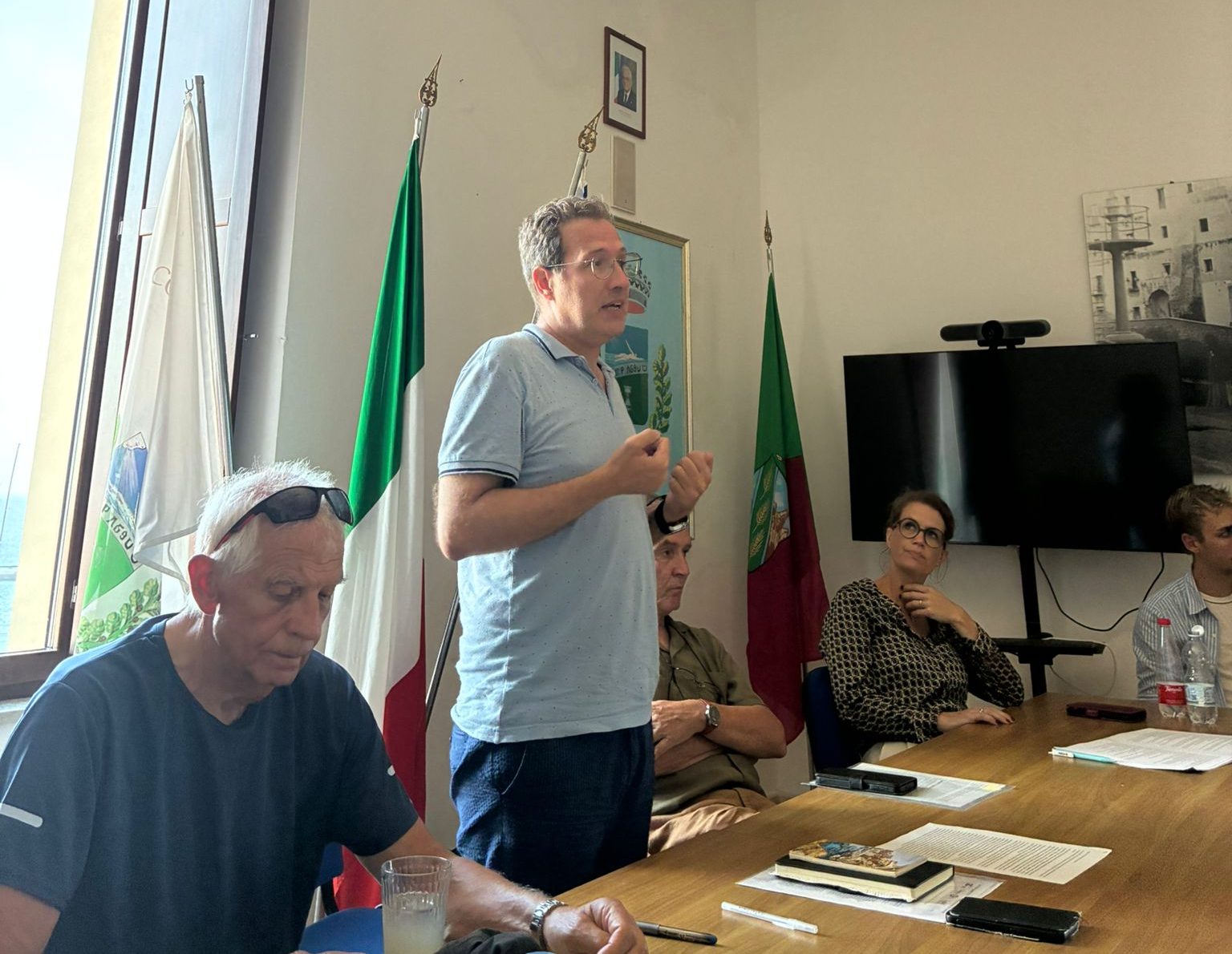
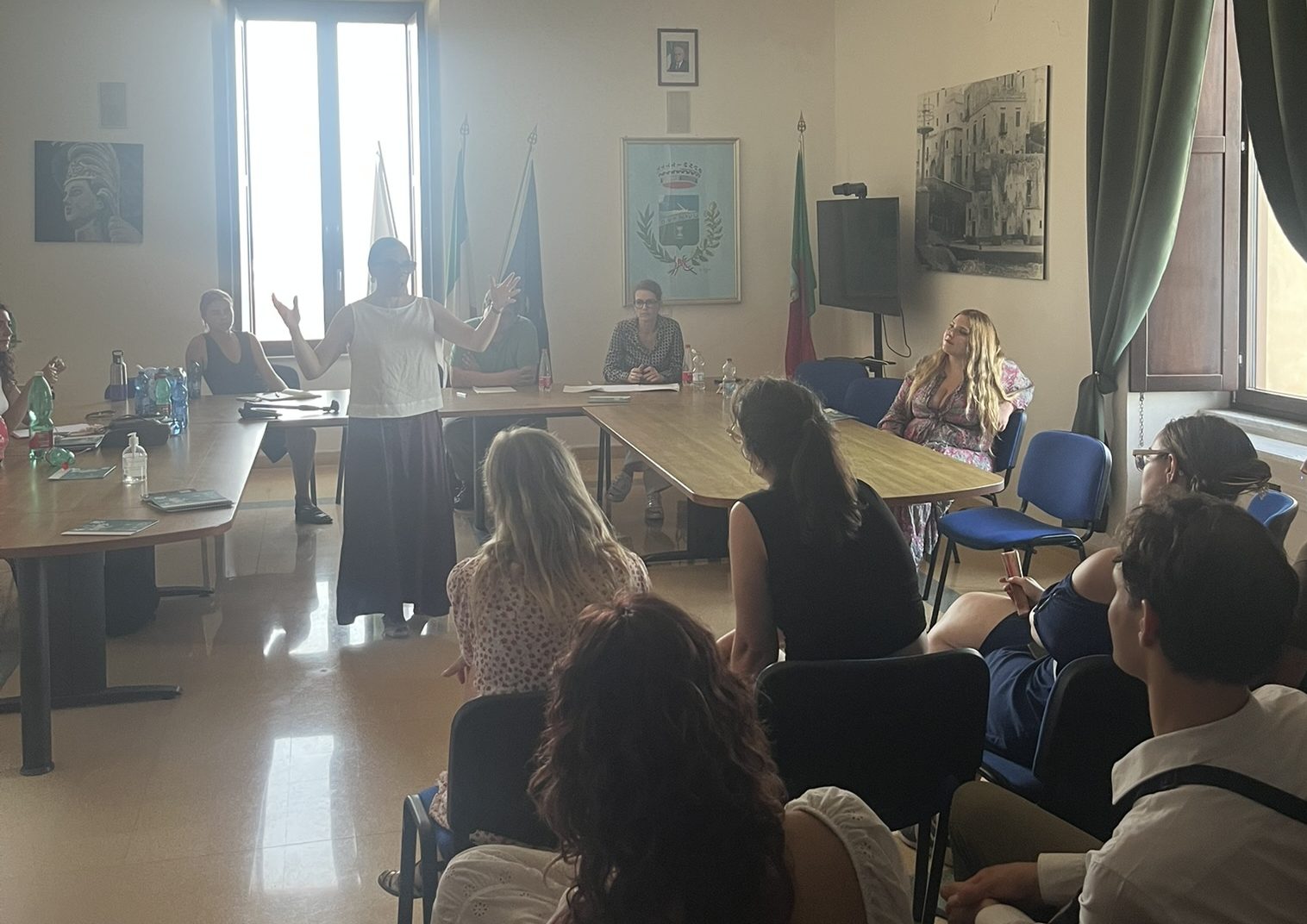
Seminar Programme and Political Discussions
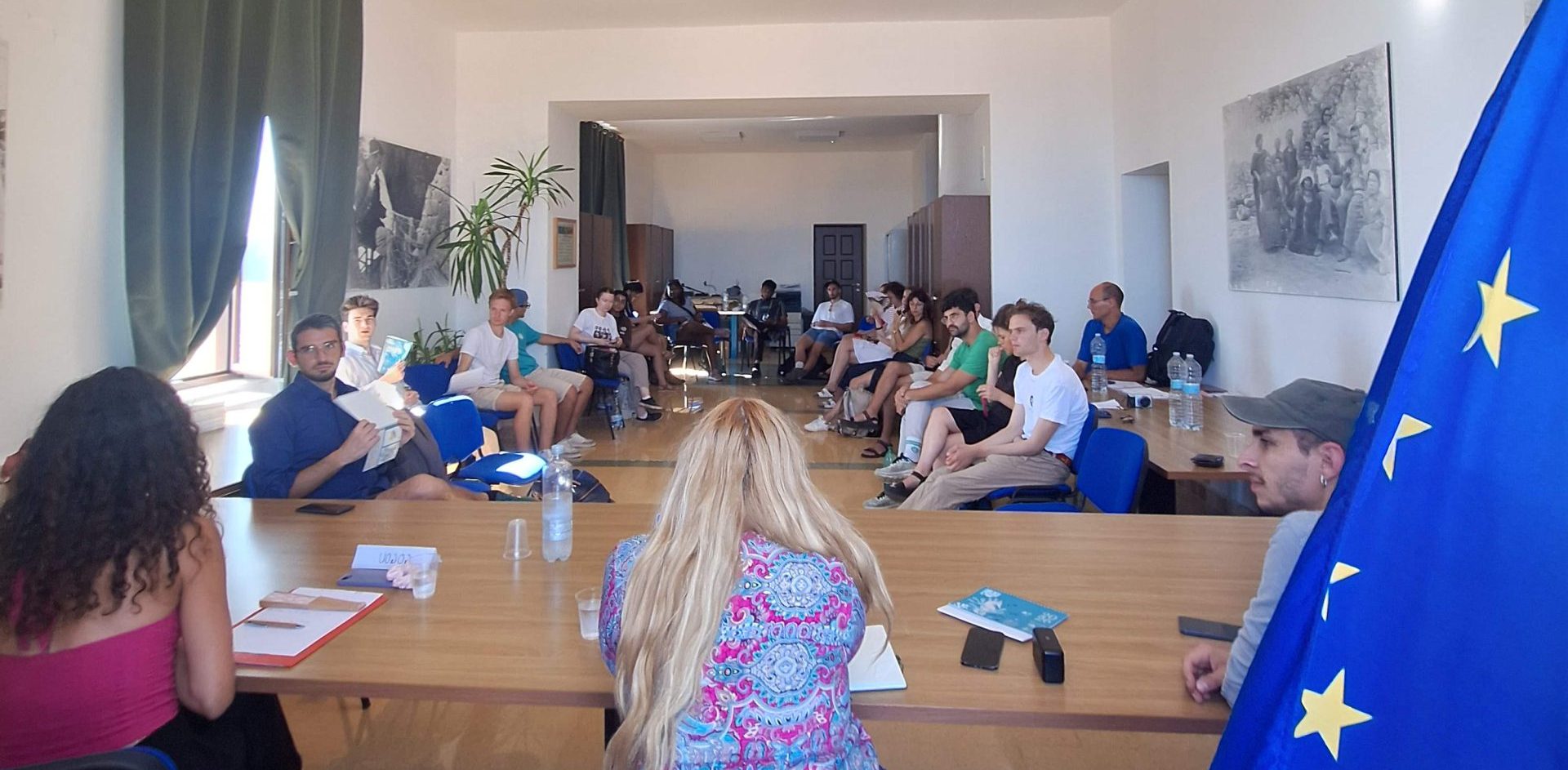
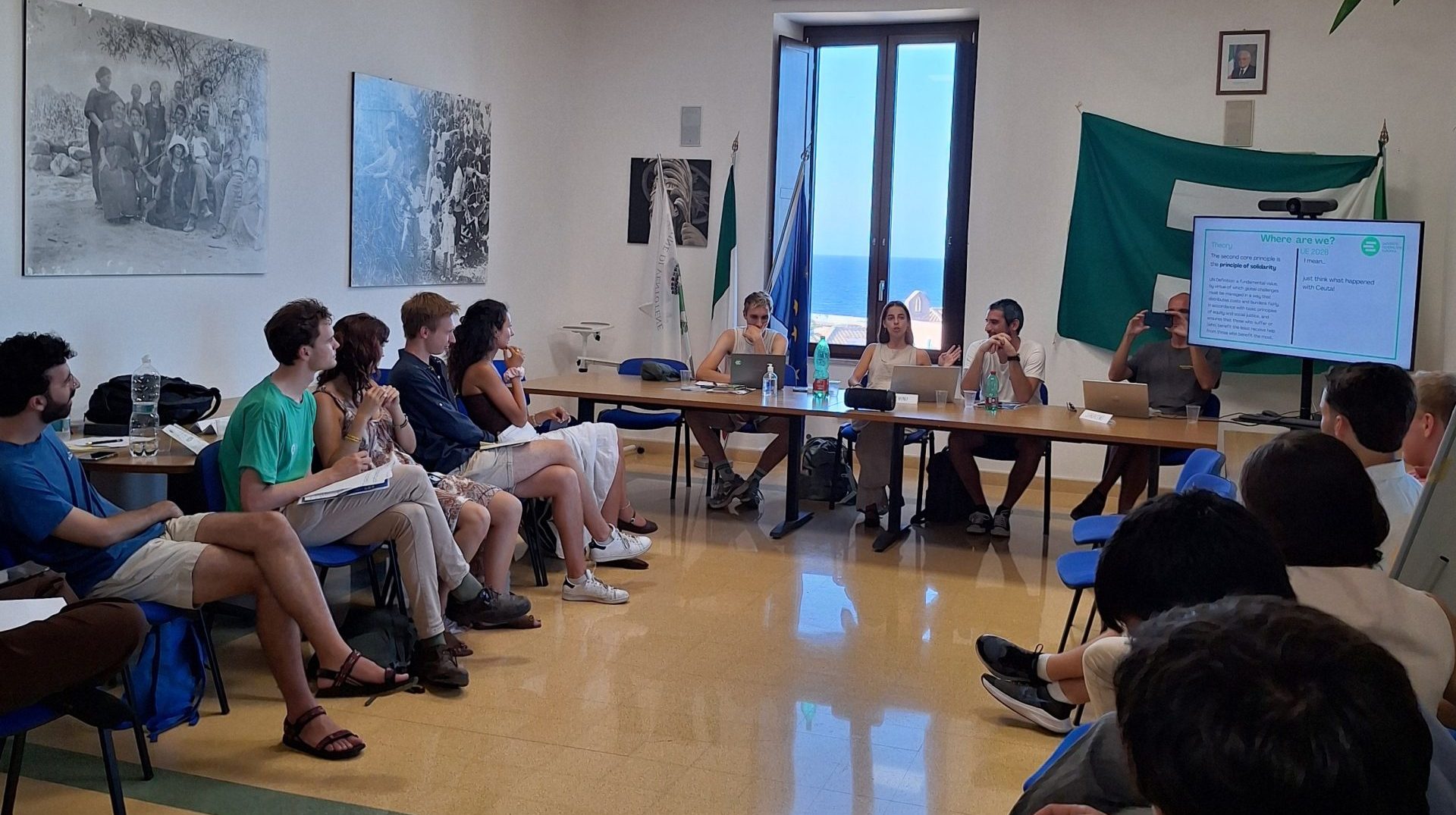
The international seminar consisted of expert presentations with smaller working groups and plenary debates, allowing participants to engage critically with each topic rather than only listening to lectures. The first session, hosted by President of UEF, Domènec Ruiz Devesa, Lieven Tallie of the Association Jean Monnet and Melanie Thut, President of JEF Germany, explored what a federal Europe actually is and what the theoretical foundations for it are. They introduced the characteristics of a federal state and the distribution of sovereignty between different levels of government.
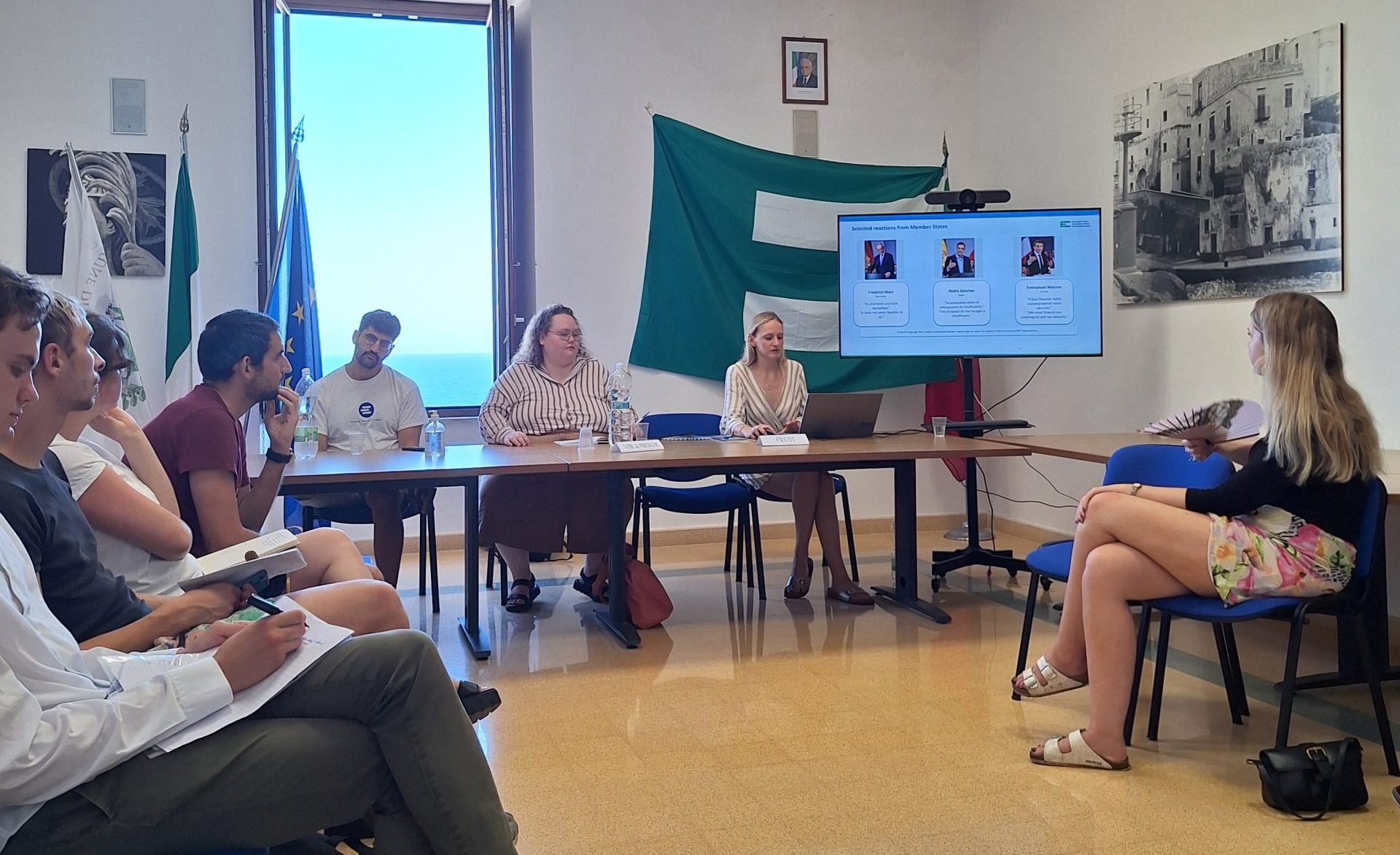
Economic and institutional capacity formed another major strand of the programme. A session with Julia Preiss and JEF Europe Treasurer Anna van de Moosdijk examined reform of the European budget as a precondition for a Europe capable of acting effectively.
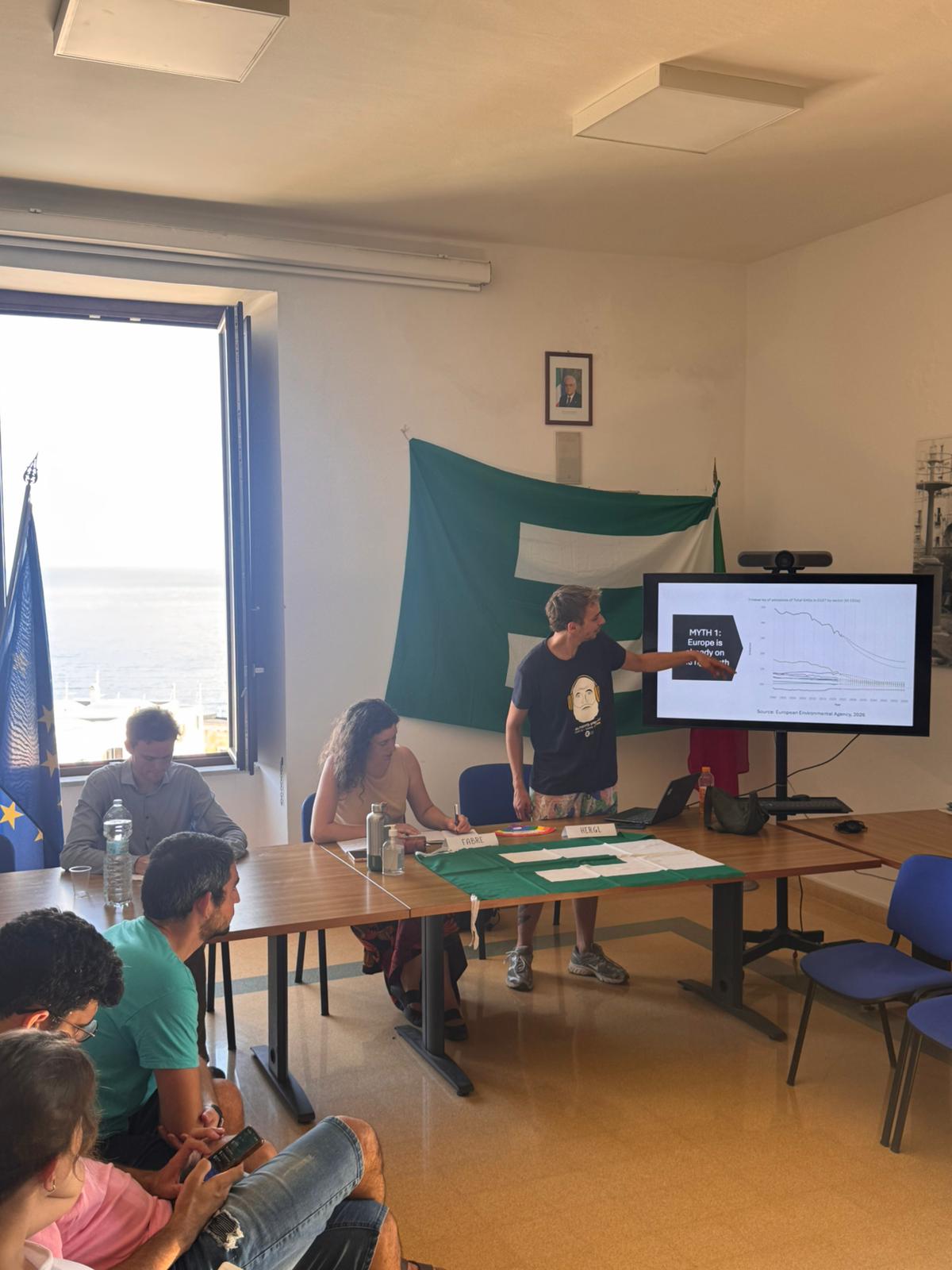
JEF Europe President Moritz Hergl, together with Chloé Fabre, President of UEF France, led a session on the ecological transformation, its challenges and opportunities. The session connected federalism to the wider global responsibility, introducing planetary boundaries and the myth of immateriality. Participants discussed how many environmental challenges transcend national borders and therefore require common European and global responses.
JEF Europe Board Member Dvir Ezra contributed to a discussion alongside UEF Vice-President Dafne Gogou and Nicola Vallinoto (WFM) on the global challenges of democracy and the general autocratic backsliding – and what role federalism can play in developing democratic governance structures beyond the nation state.
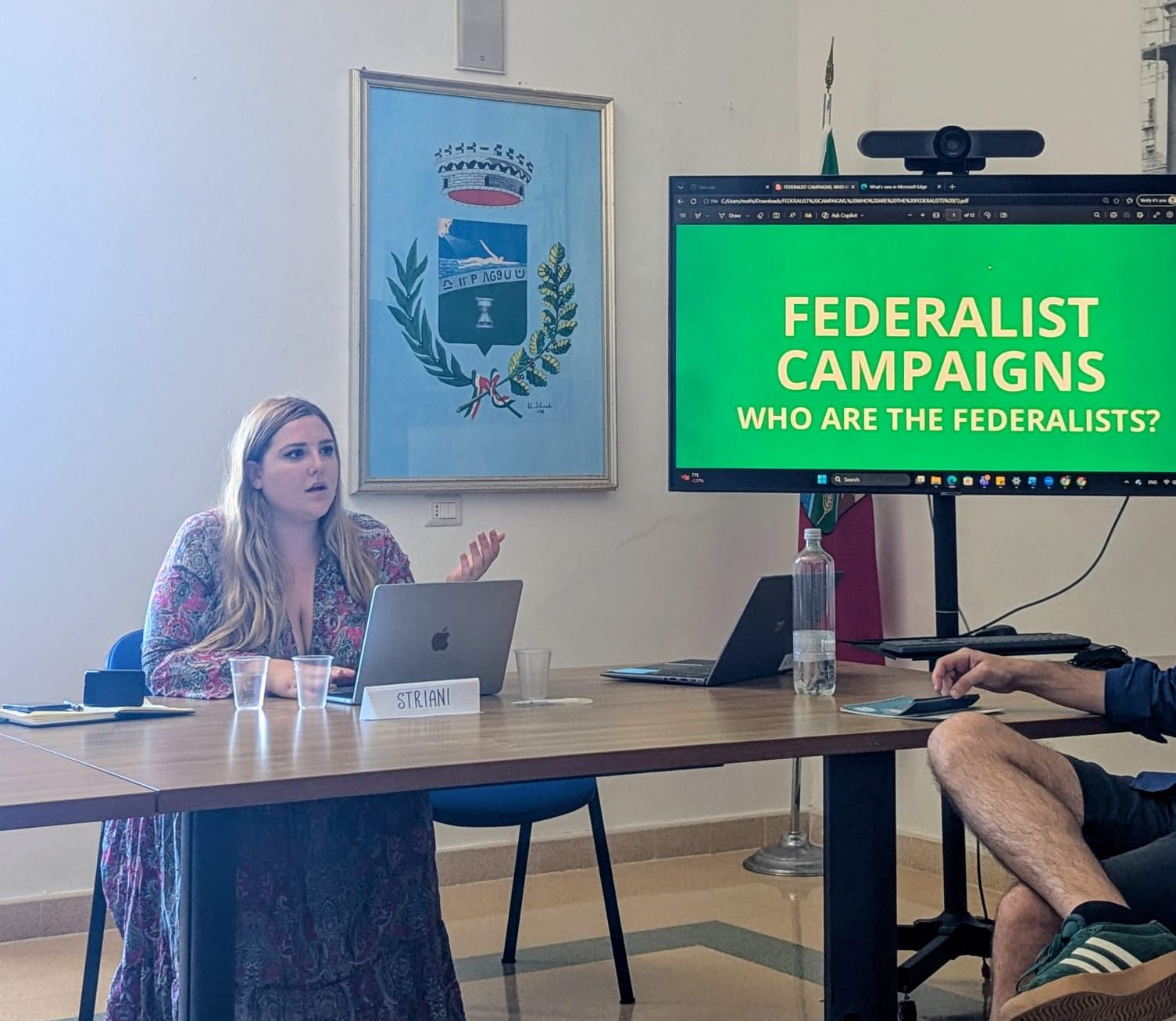
The formal programme concluded with a session on federalist campaigns, with Mathilde Baudouin, Secretary-General of UEF and JEF Europe Vice-President Debora Striani, connecting the theoretical discussions of the week with practical political mobilisation.
You can find the full programme here.
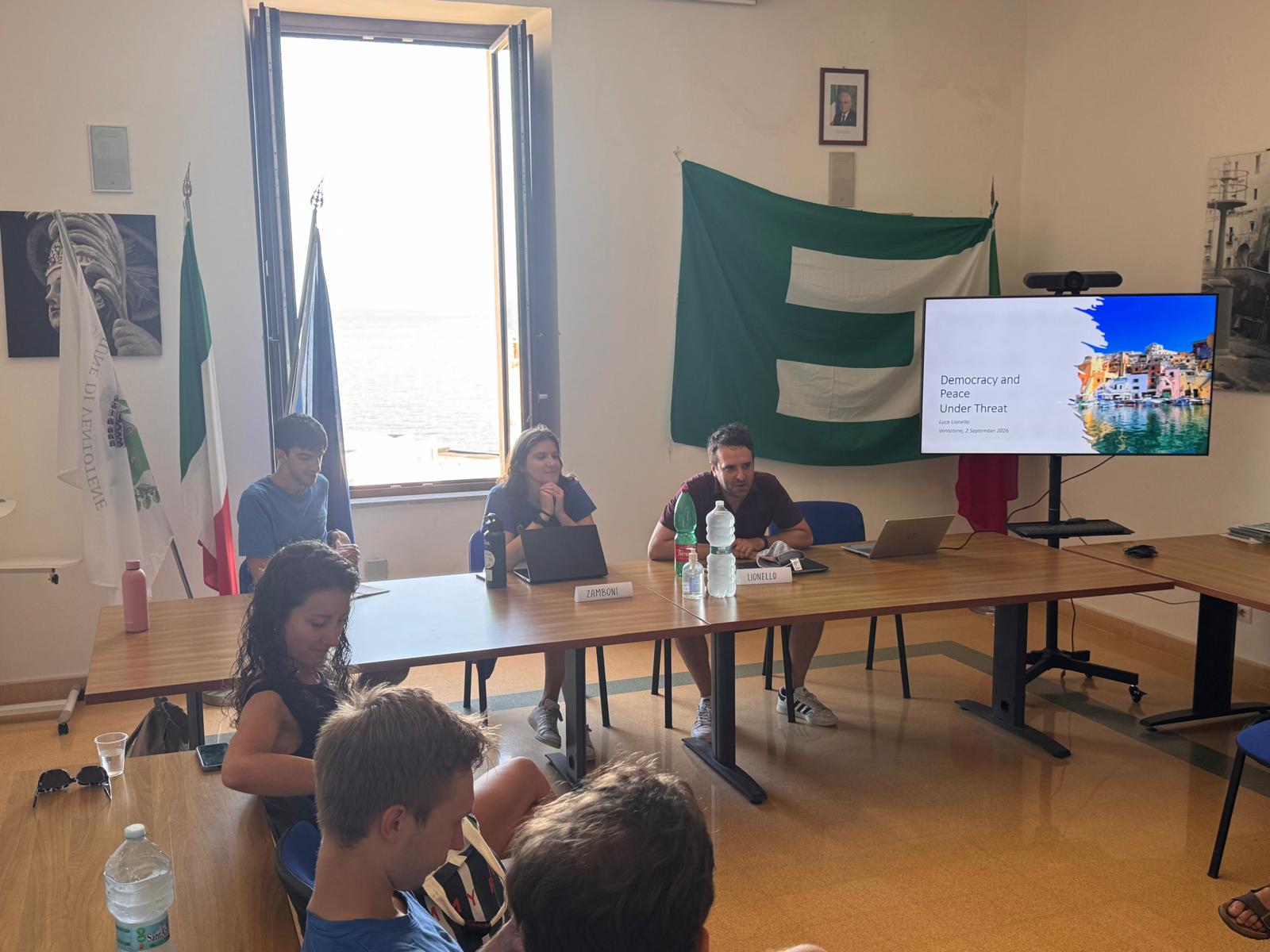
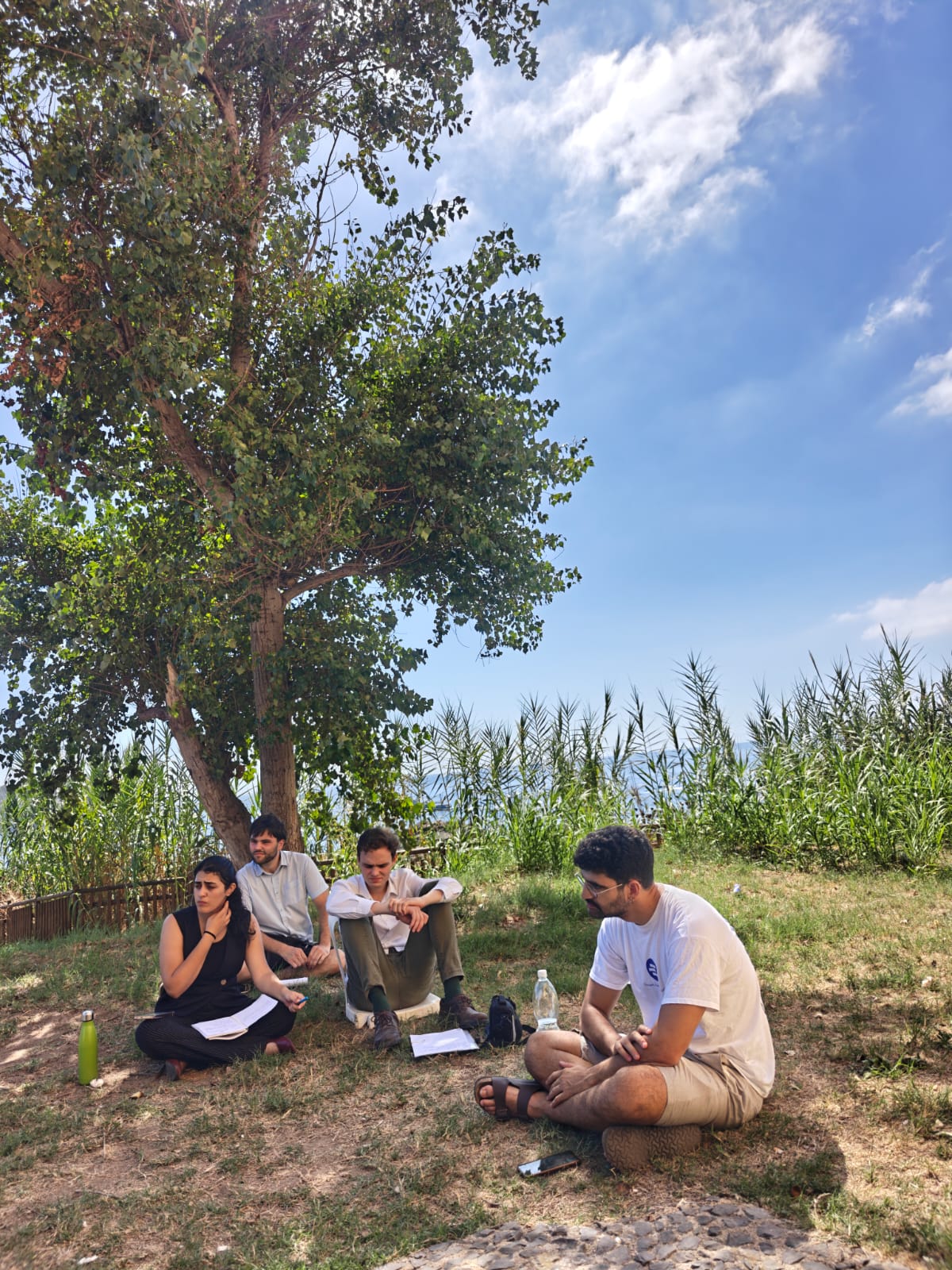
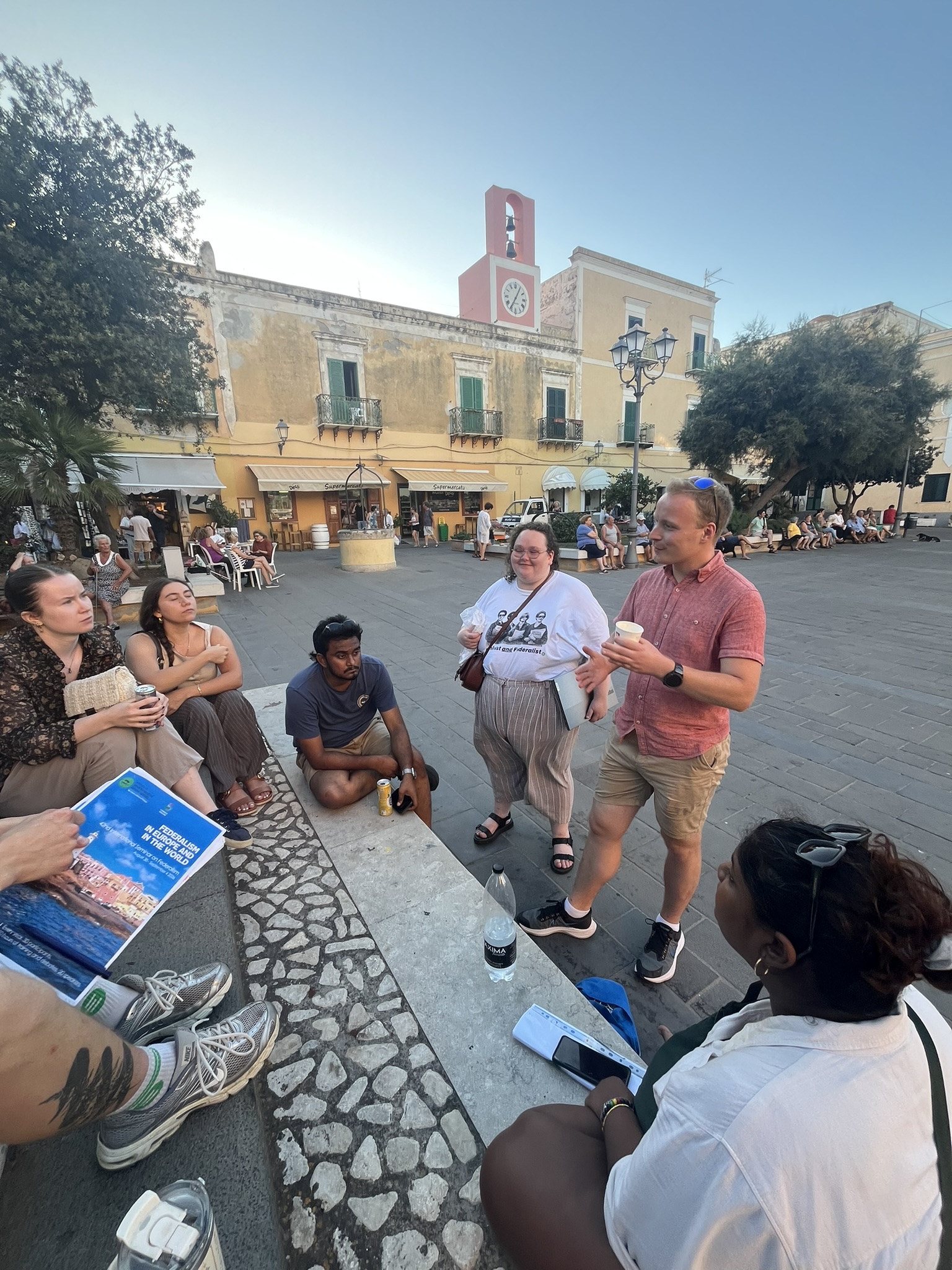
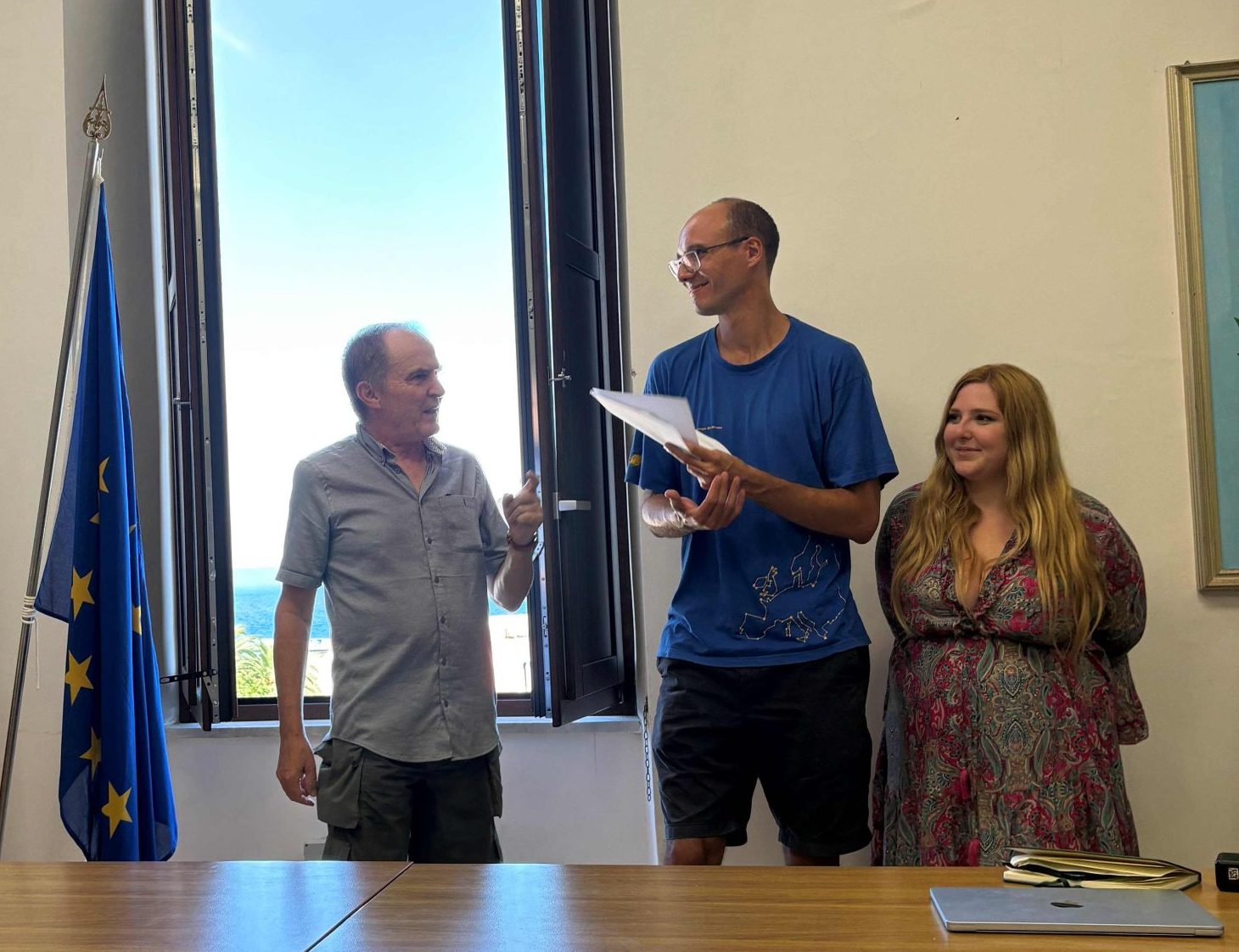
Beyond the formal seminar programme, JEF Europe organised several additional activities:
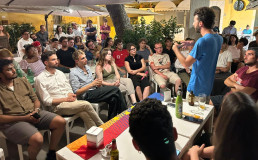
An important side event presented the work of the Federalist Peace Forum, bringing participants into dialogue with representatives of “Democracy & Federalism Hub Palestine” and “Federal Future Israel”.
The discussion provided an opportunity to hear directly from young Palestinians and Israelis and to explore how federalist principles can contribute to thinking about peace, democracy, coexistence and political structures capable of protecting the rights and security of all communities.
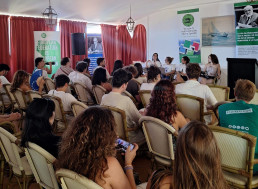
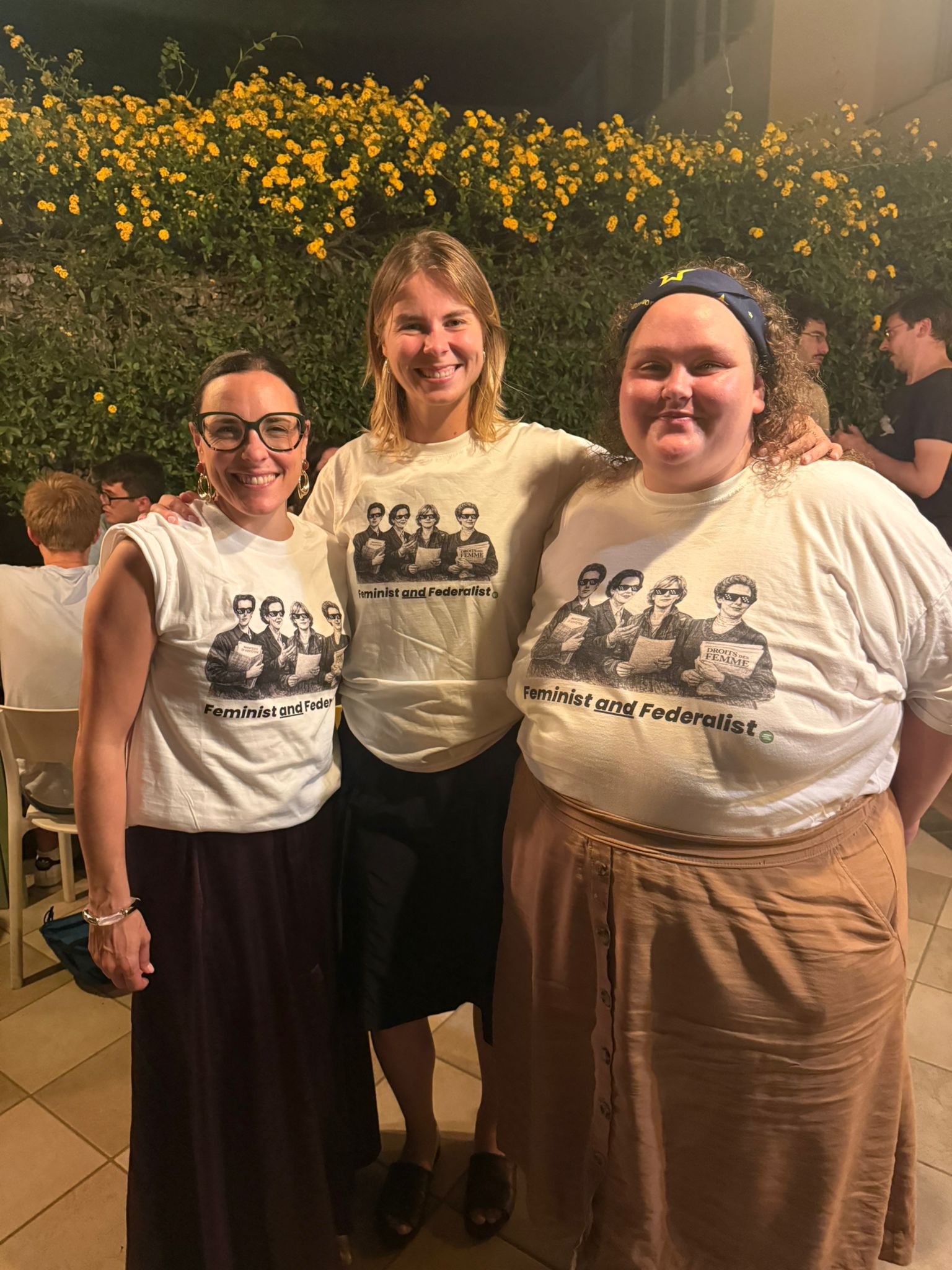
The Federalist Feminist Project (FFP) brought a feminist perspective to the seminar through activities exploring the relationship between feminism, federalism and the history of the European federalist movement. Clara Föller, Melanie Thut and Dilette Alese led a discussion on the intersection of feminism and the story of Ursula Hirschmann, highlighting the role of women in the history of European federalism and asking how gender perspectives can be more systematically incorporated into our federalist activism today.
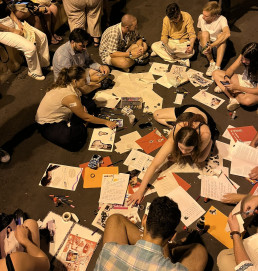
As part of the FFP, Anna van de Moosdijk also organised an interactive creative evening, providing participants with a more participatory space for exchange and reflection.
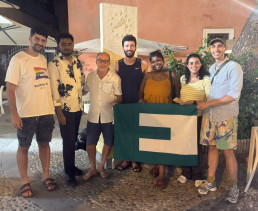
A dedicated discussion on Global Federalism, organised by JEF Europe’s board member Dvir Aviam Ezra, brought the experiences of participants from outside of Europe into our discussions. We understood: federalist principles take different forms around the world and we in Europe can learn a lot from other systems and experiences.
Particular attention was given to India’s federal system and the ways in which federal structures interact with the country’s immense social and political diversity. Participants explored federalism through an intersectional lens, discussing the role of gender, religion and caste in political participation, representation and the functioning of federal structures.
Standing up for Global Justice
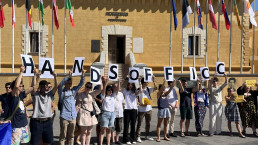
Political engagement during the seminar was not confined to discussions. Together with the World Federalist Movement, we organised a demonstration in support of the International Criminal Court (ICC).
The action expressed support for international justice and the principle that serious violations of international law must be subject to independent judicial accountability. It also connected the seminar’s discussions on global federalism with one of the federalist movement’s longstanding objectives: strengthening supranational institutions capable of applying international law beyond the interests of individual states.
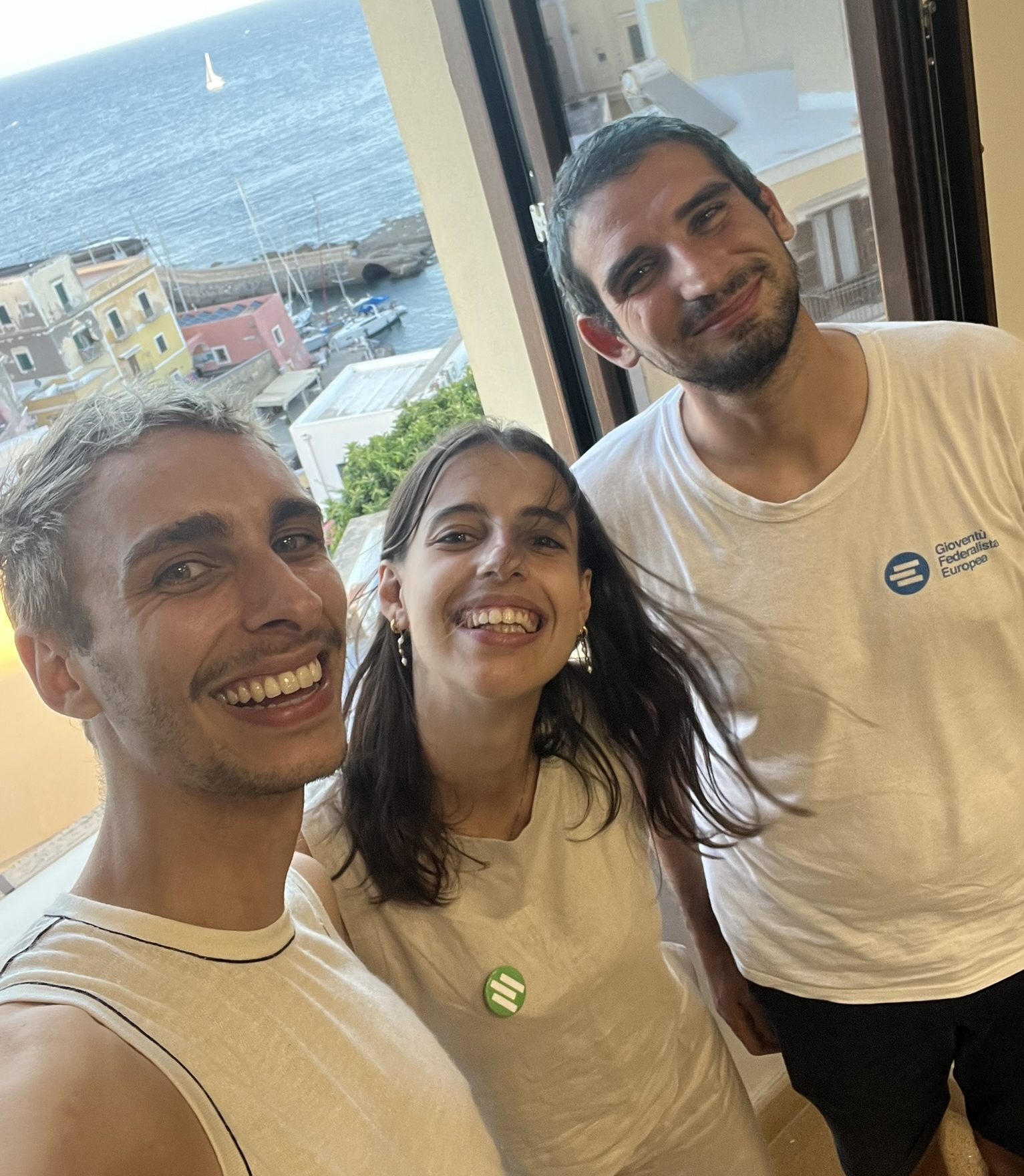
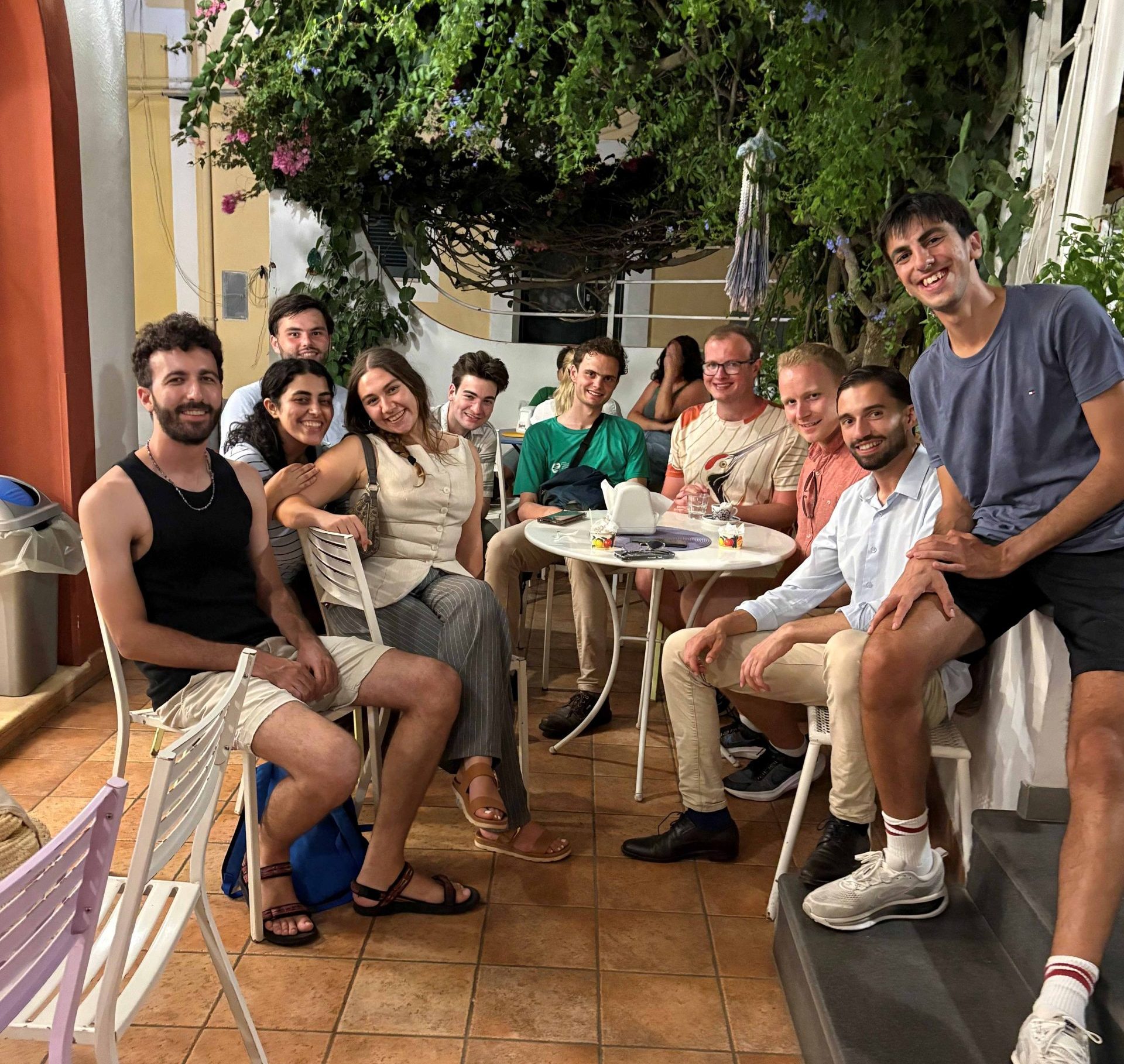
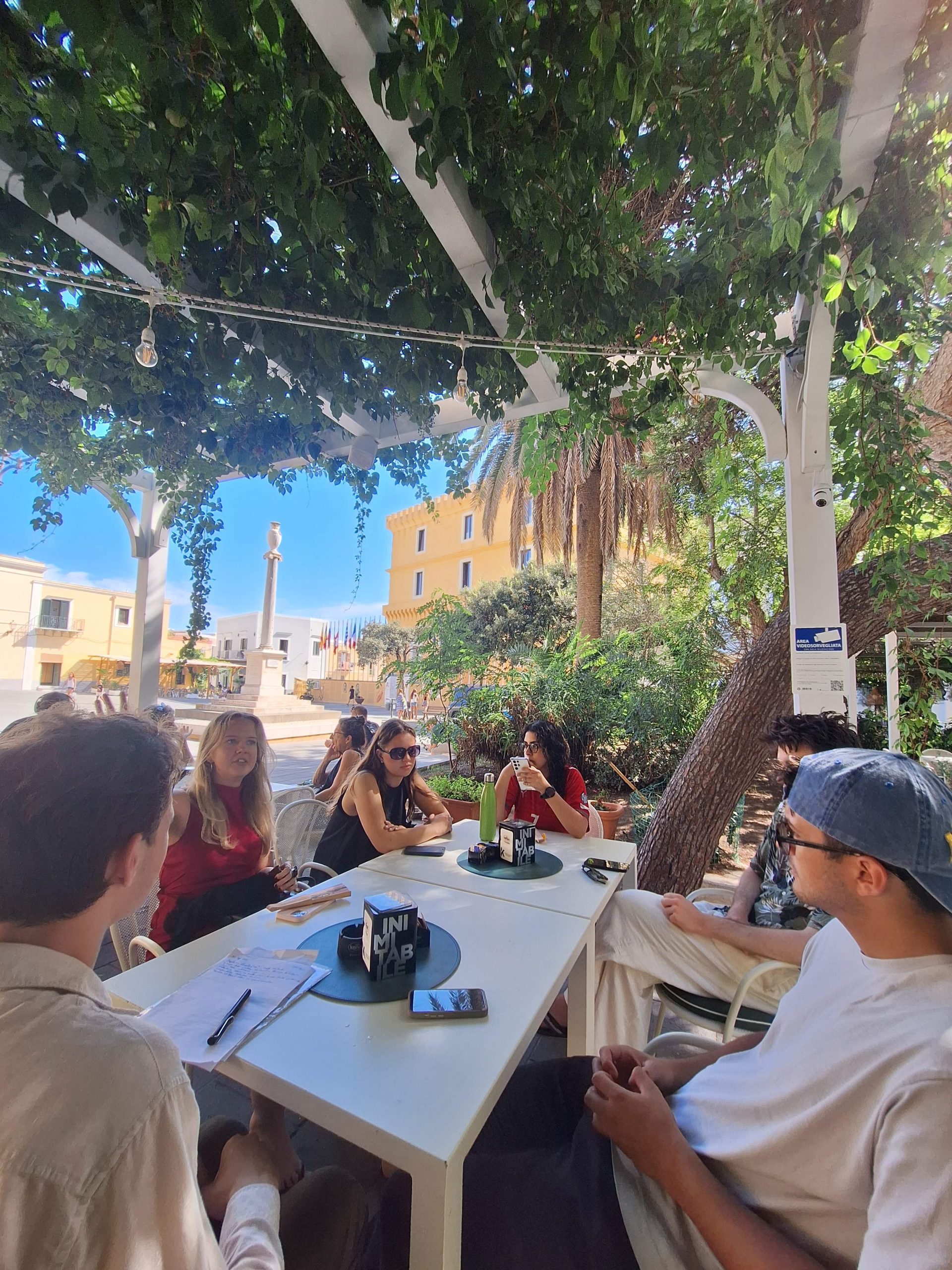
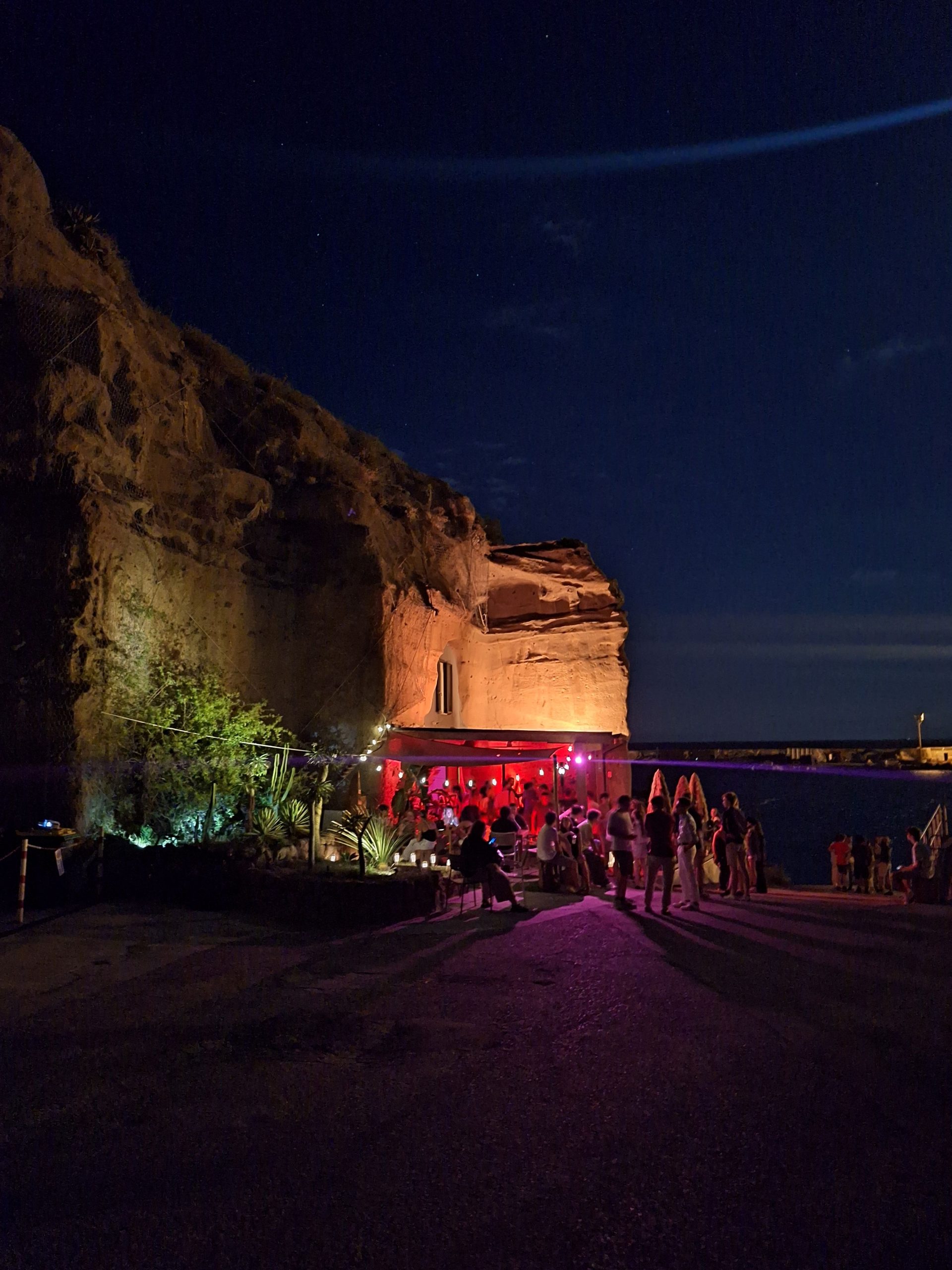
An essential part of the International Ventotene Seminar is the community created around the political programme. Participants shared an extensive social programme throughout the week, creating space for informal conversations and exchanges between people from different countries and organisational backgrounds.
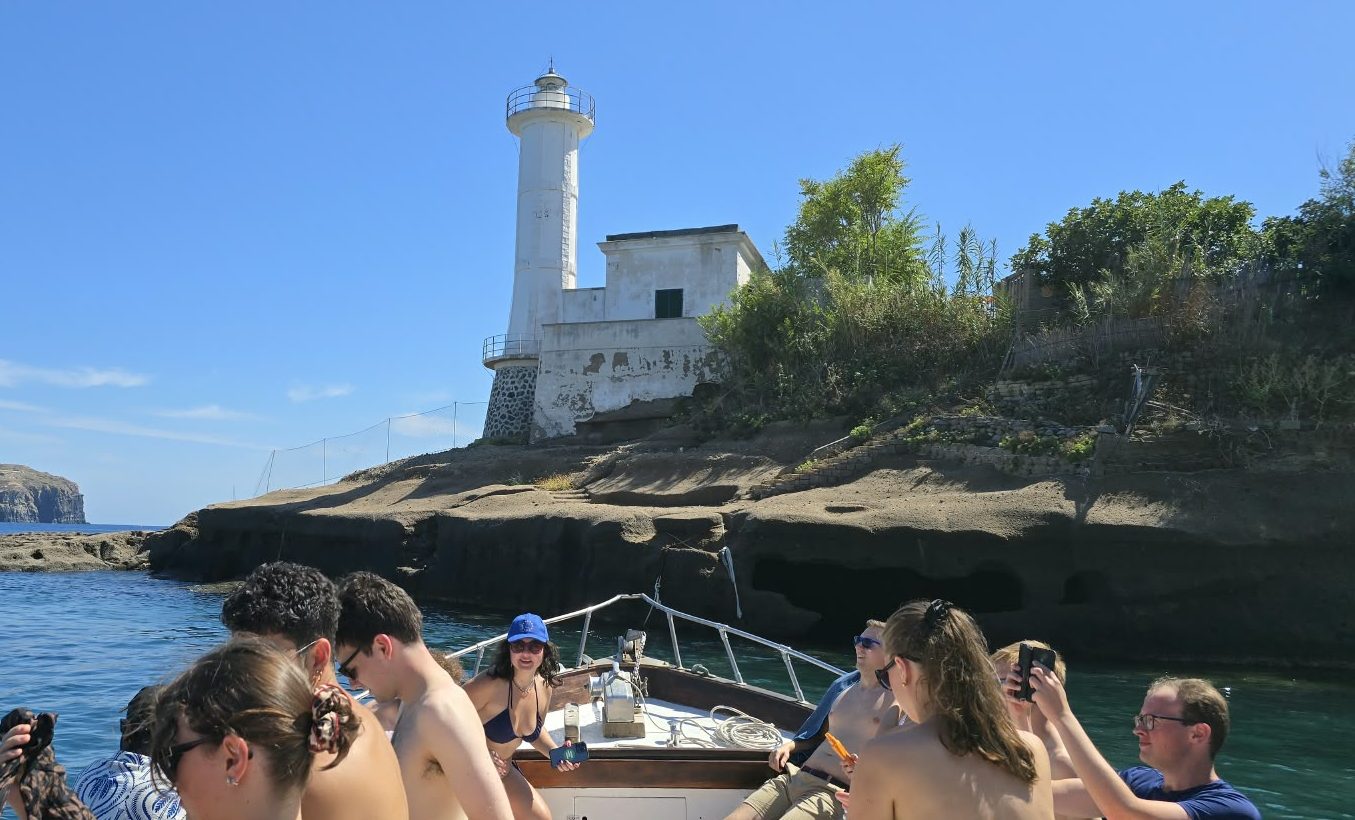
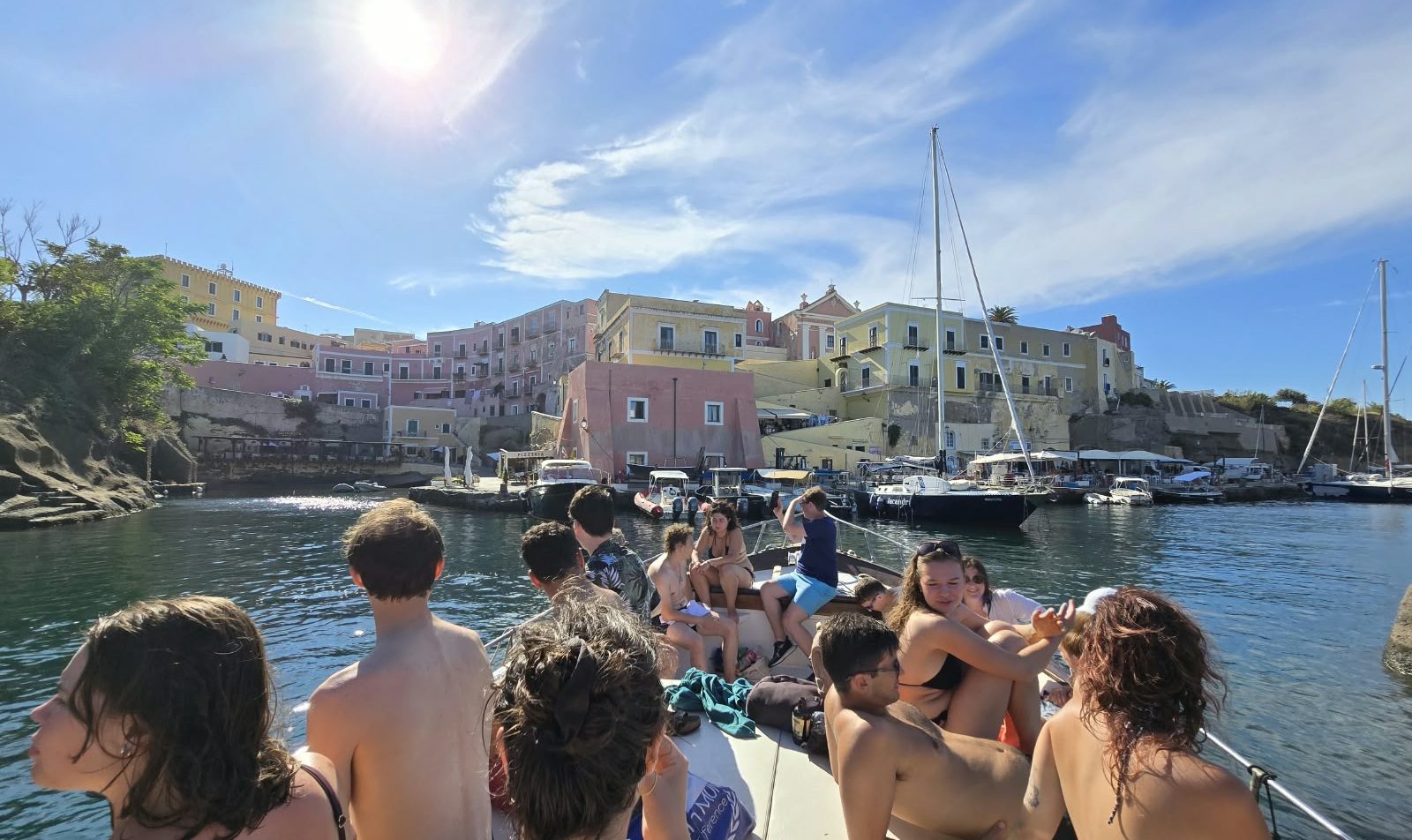
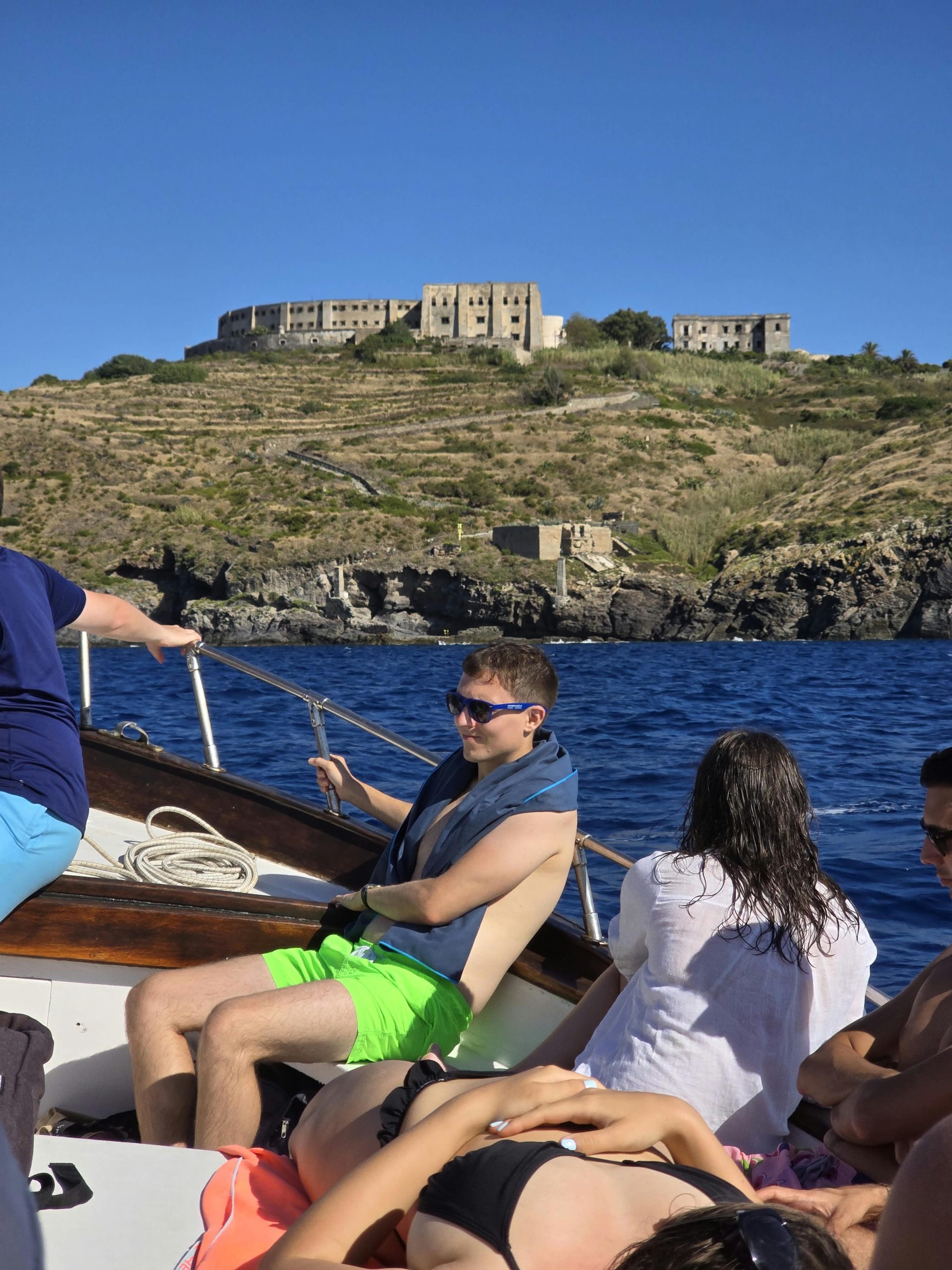
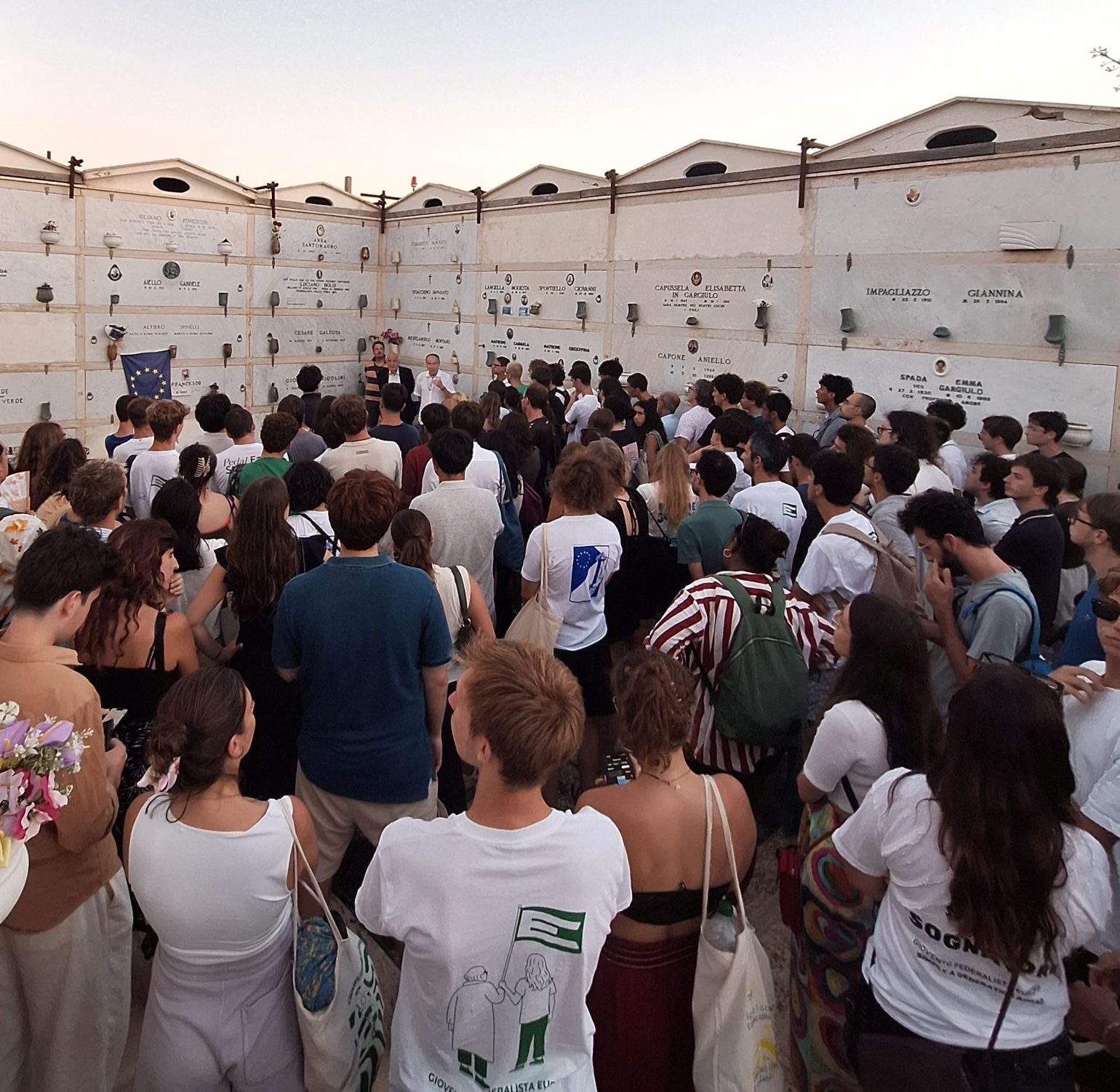
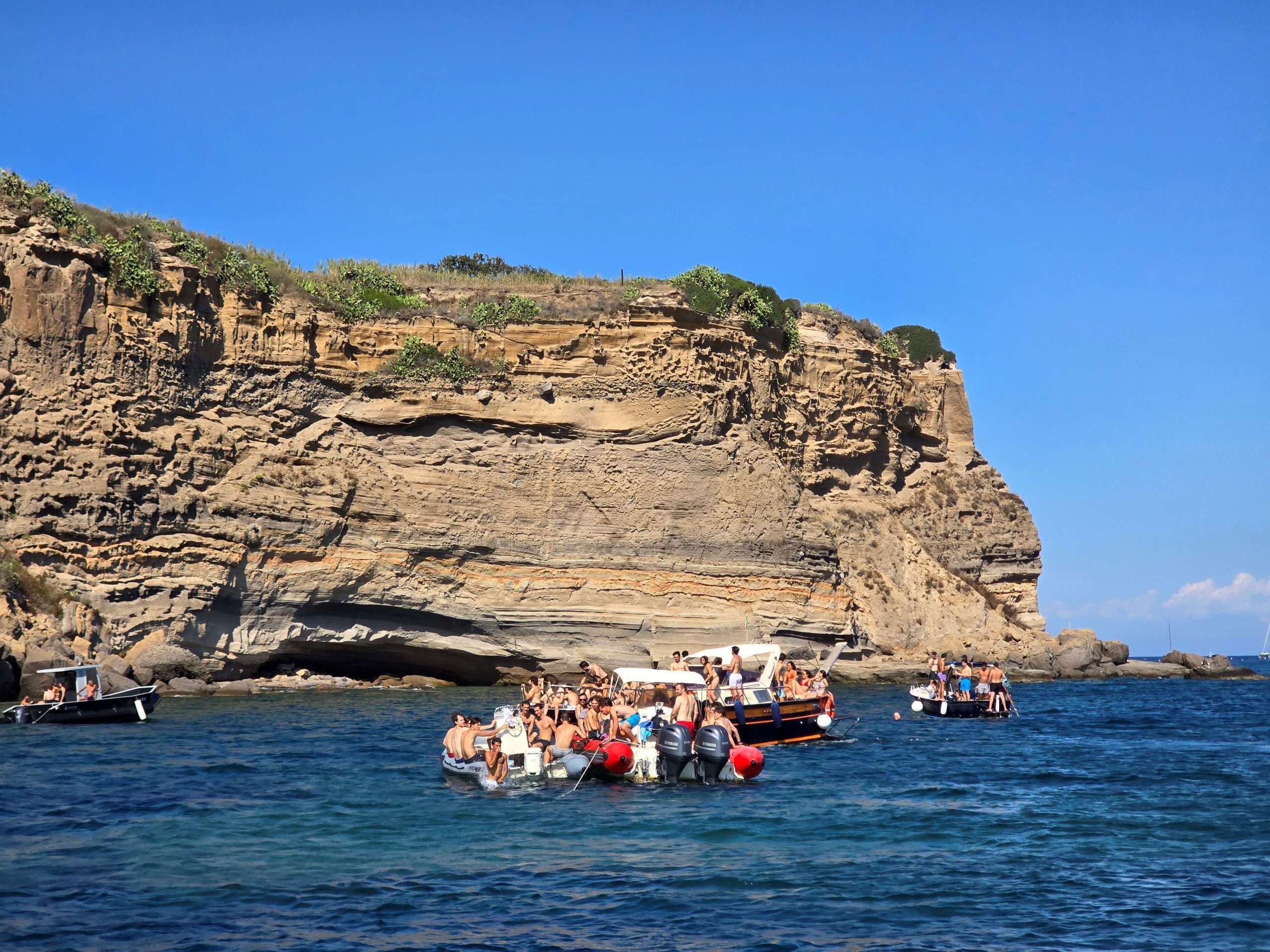
A boat trip around Ventotene was one of the highlights of the programme, allowing participants to see more of the beautiful island. Social evenings and informal activities provided further opportunities to build friendships and strengthen connections within the federalist movement. And as is the tradition, we paid homage to Altiero Spinelli at his grave alongside Luciano Bolis whose story Stefano Spoltore put in the centre this year.
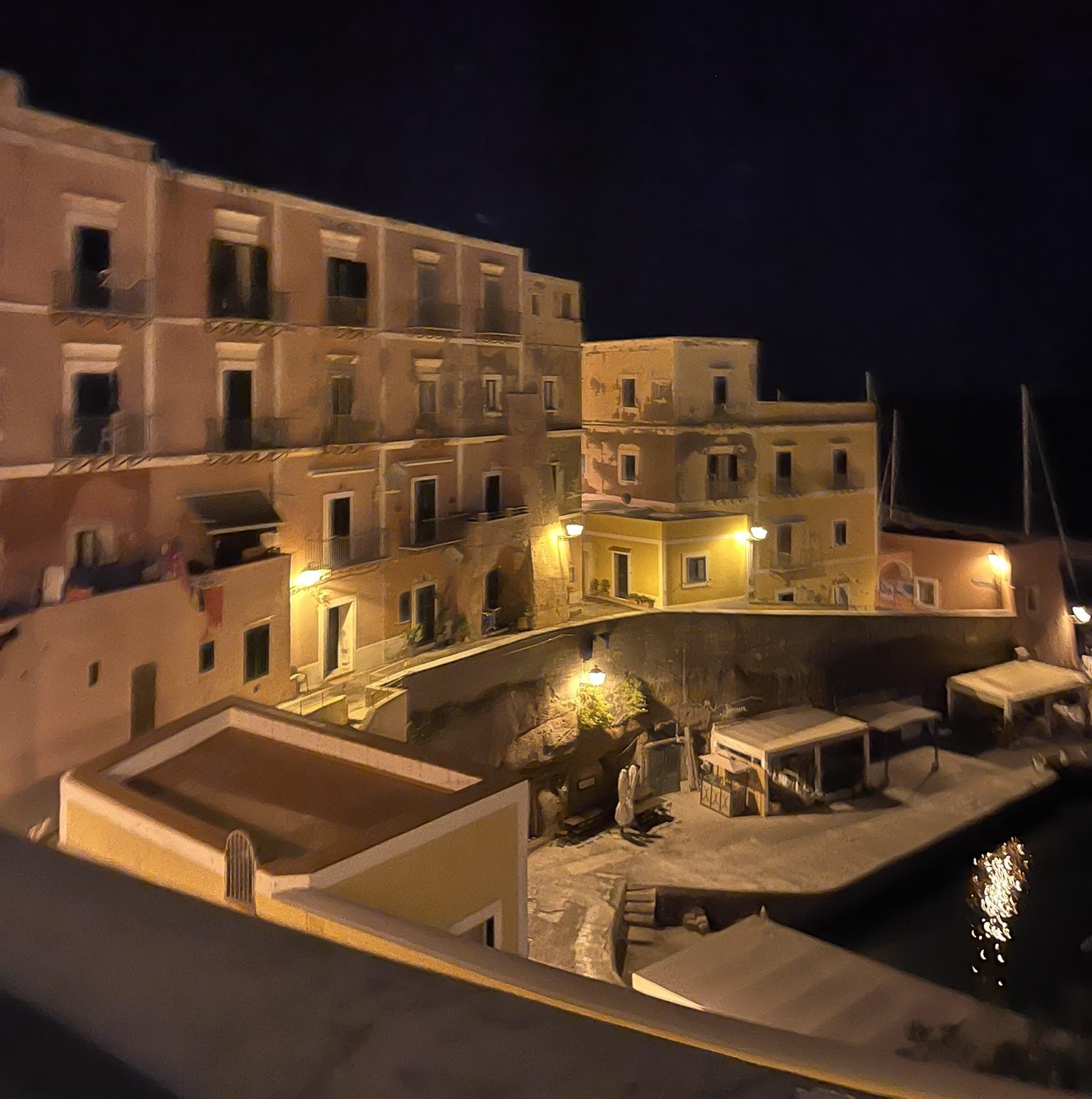
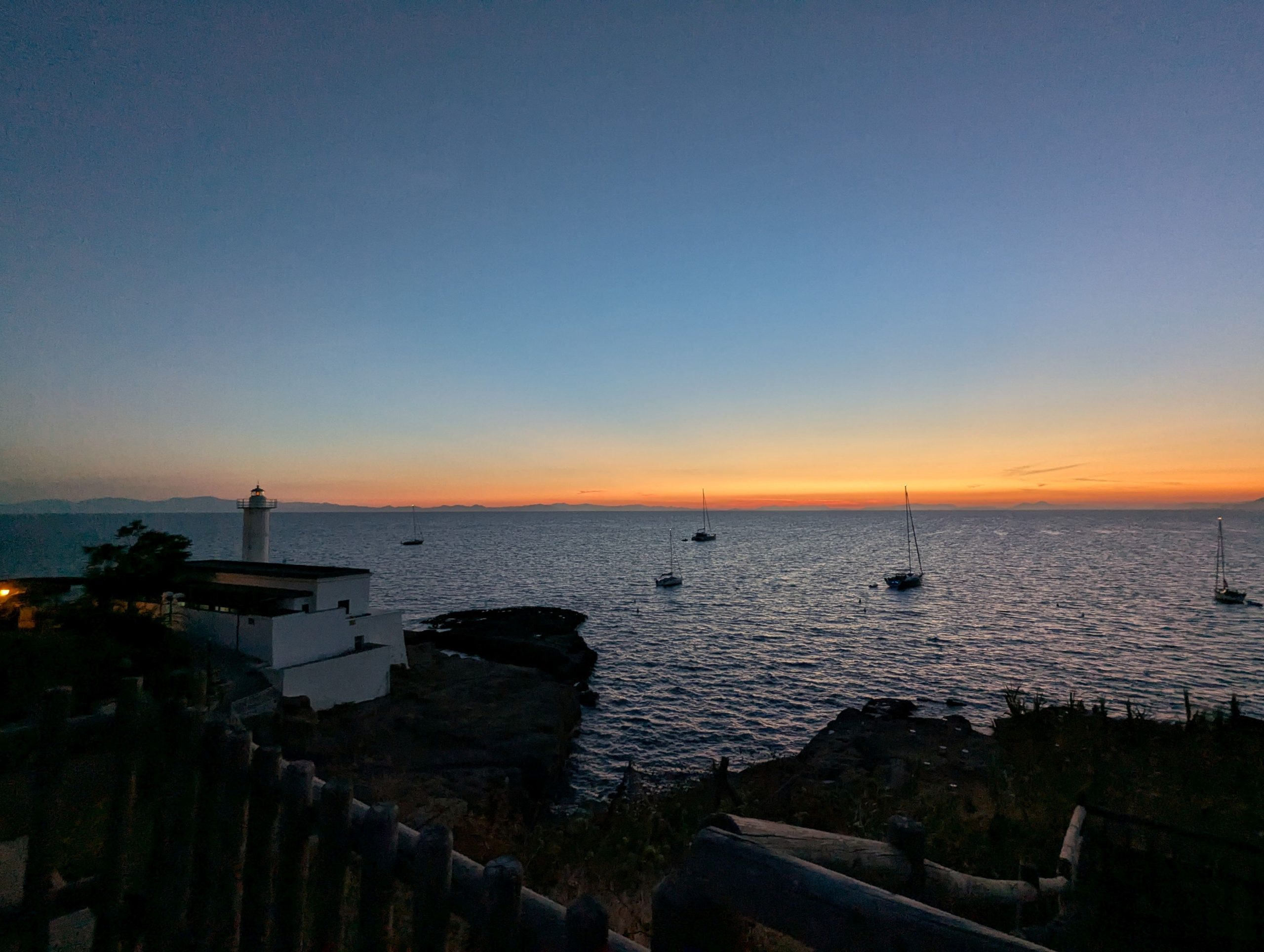
This combination of political education and community-building is particularly valuable in Ventotene. The island is not simply the location of the seminar but a symbolic place for European federalism, closely associated with Altiero Spinelli, Ernesto Rossi, Ursula Hirschmann and the intellectual origins of the struggle for a united and federal Europe.
A new generation in Ventotene
This year’s seminar was an opportunity to reconnect the historical legacy of Ventotene with the responsibility of a new generation of federalists. More than 80 years after the Ventotene Manifesto was written, the message to overcome nationalist egos and build something bigger remains more important than ever.
Reflecting on the significance of bringing young federalists to Ventotene, JEF Europe Vice-President Debora Striani said:
“This year, we organised again our annual Ventotene Seminar. Over five days, we brought together 100 young people from across Europe and around the world on an island where, in one of Europe’s darkest moments, a different future was imagined. More than eighty years later, bringing a new generation to Ventotene is not simply about remembering that vision, but about asking what it demands of us today. At a time when Europe is once again confronted with war, division and uncertainty, Ventotene reminds us that Europe was never meant to be a finished project. It is a choice: one that every generation has the responsibility to make, and remake, together.”
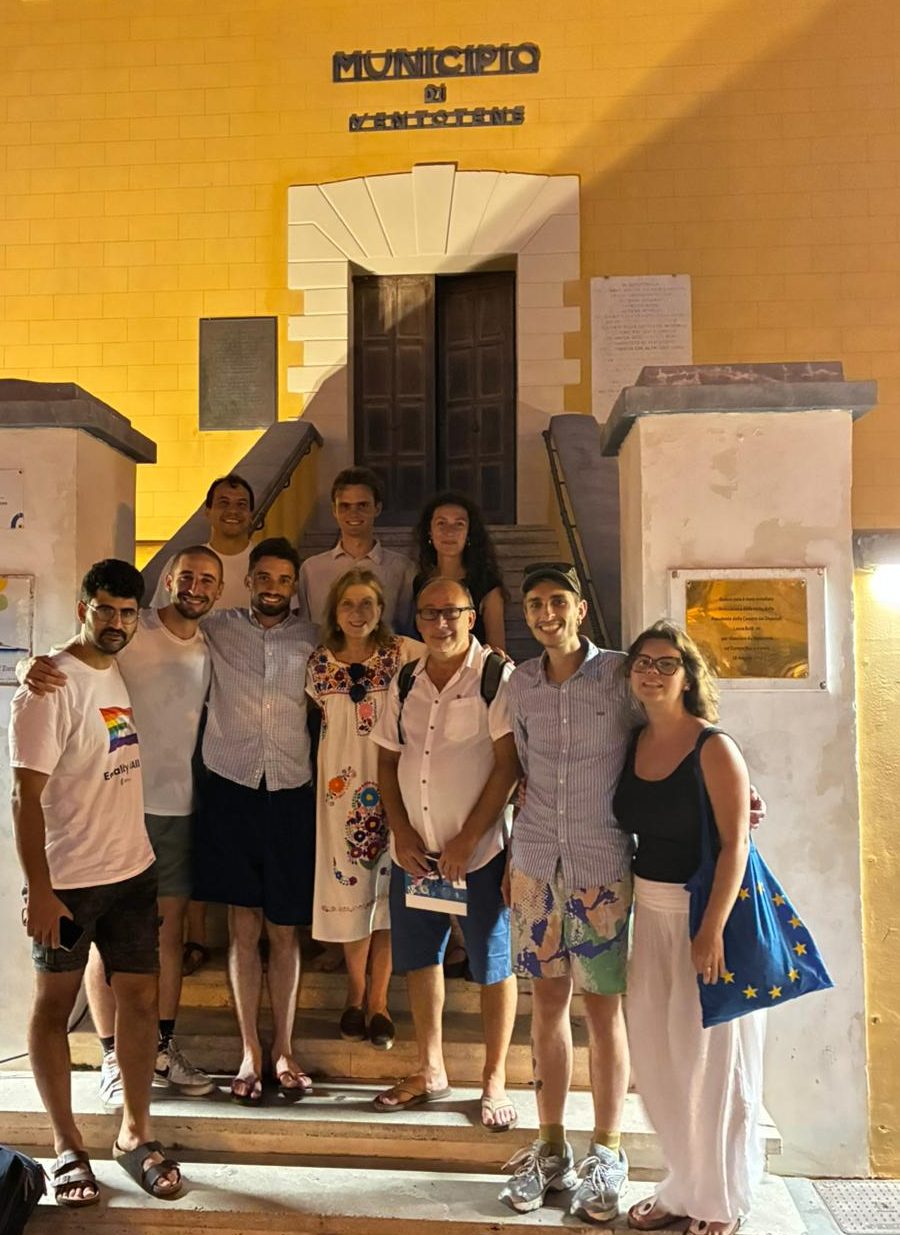
We thank the Istituto Altiero Spinelli and the Commune of Ventotene for the opportunity to work together.